In a nation where cultures meet at every corner, Singapore stands as a vibrant example of multicultural harmony. Its streets reflect the legacy of migration, religious diversity, and mutual respect among various ethnic communities.
🔹 Ethnic Diversity and Languages
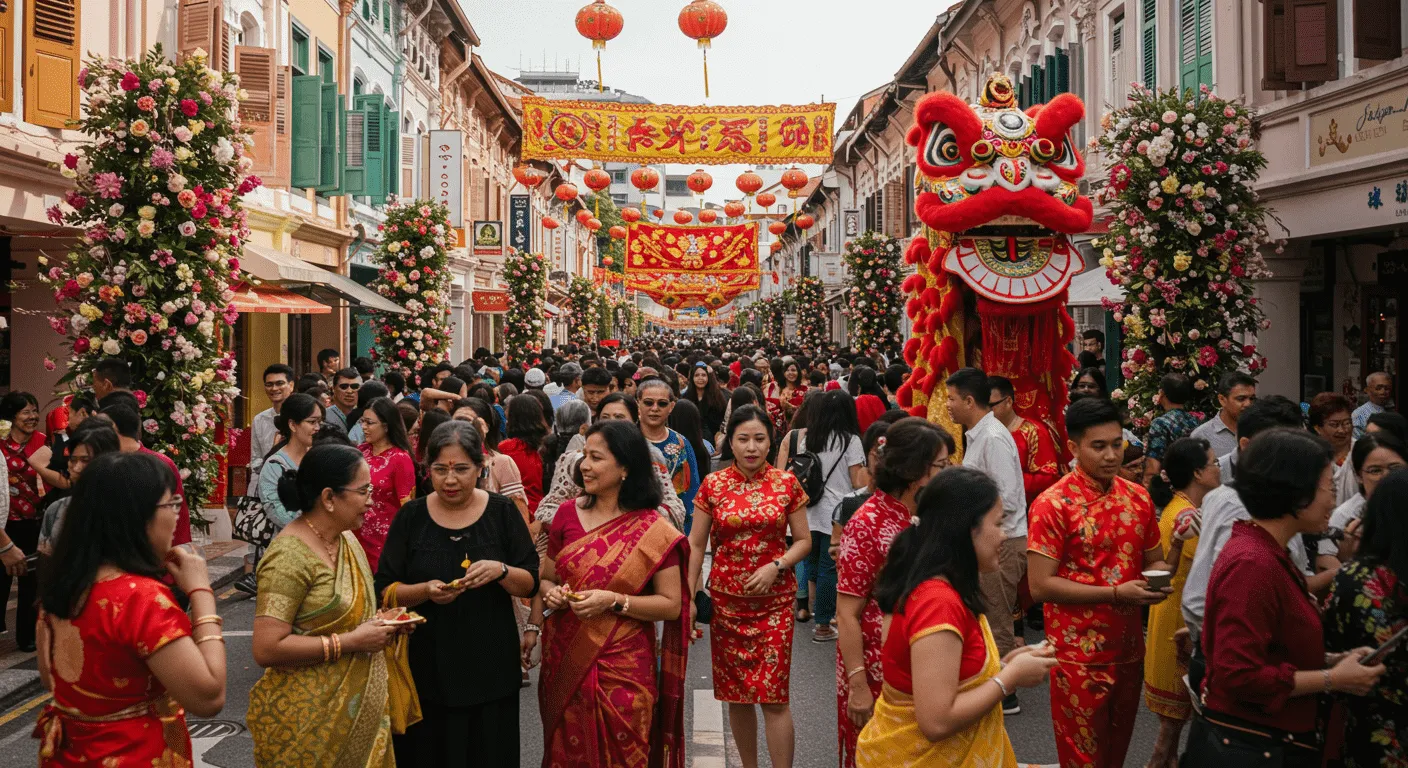
Singapore is home to four major ethnic groups: Chinese, Malays, Indians, and Eurasians. This diversity is reflected in its official languages (English, Mandarin, Malay, Tamil) and major religions like Buddhism, Islam, Hinduism, and Christianity.
🔹 Festivals Across Cultures
Singapore’s calendar is filled with cultural festivals: Hari Raya, Deepavali, Lunar New Year, and Mid-Autumn Festival. Each is publicly celebrated, with vibrant decorations and interfaith participation.
🔹 Social Norms and Communication
Respect, punctuality, and adherence to social codes are fundamental in Singaporean etiquette. Local expressions like “lah” and “leh” in daily speech add a distinct charm to Singaporean communication.
🔹 Food as a Cultural Unifier
Singapore’s culinary scene blends Chinese, Malay, Indian, and Peranakan influences. Hawker centers serve as communal spaces where everyone shares dishes like laksa, satay, nasi lemak, and biryani.
🔹 Architecture and Traditional Arts
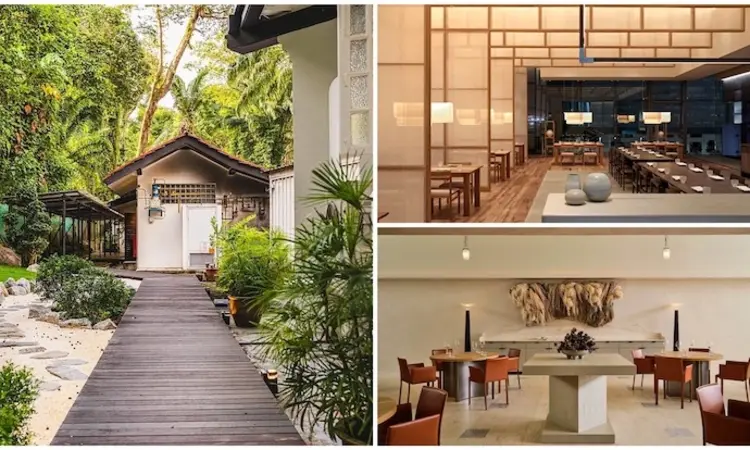
Amidst high-rises, Peranakan-style houses with ornate tiles and wooden details still stand. Cultural festivals often showcase traditional dances, Chinese opera, and contemporary performances.
🔹 Government Policies for Cultural Harmony
Programs like Racial Harmony Day and anti-discrimination laws have fostered unity in diversity. Cultural integration is actively promoted in schools and neighborhoods.
Conclusion
Singapore proves that diversity, when guided by thoughtful governance and mutual respect, can become a source of unity and national pride.