China, a country of ancient civilization and profound cultural depth, celebrates a wide array of festivals and traditional ceremonies that reflect its rich spiritual and social fabric. These events are more than mere celebrations—they embody the values, beliefs, and collective memory of the Chinese people, serving as a vital link between past and present, tradition and modernity.
Chinese New Year (Spring Festival / Chūn Jié)
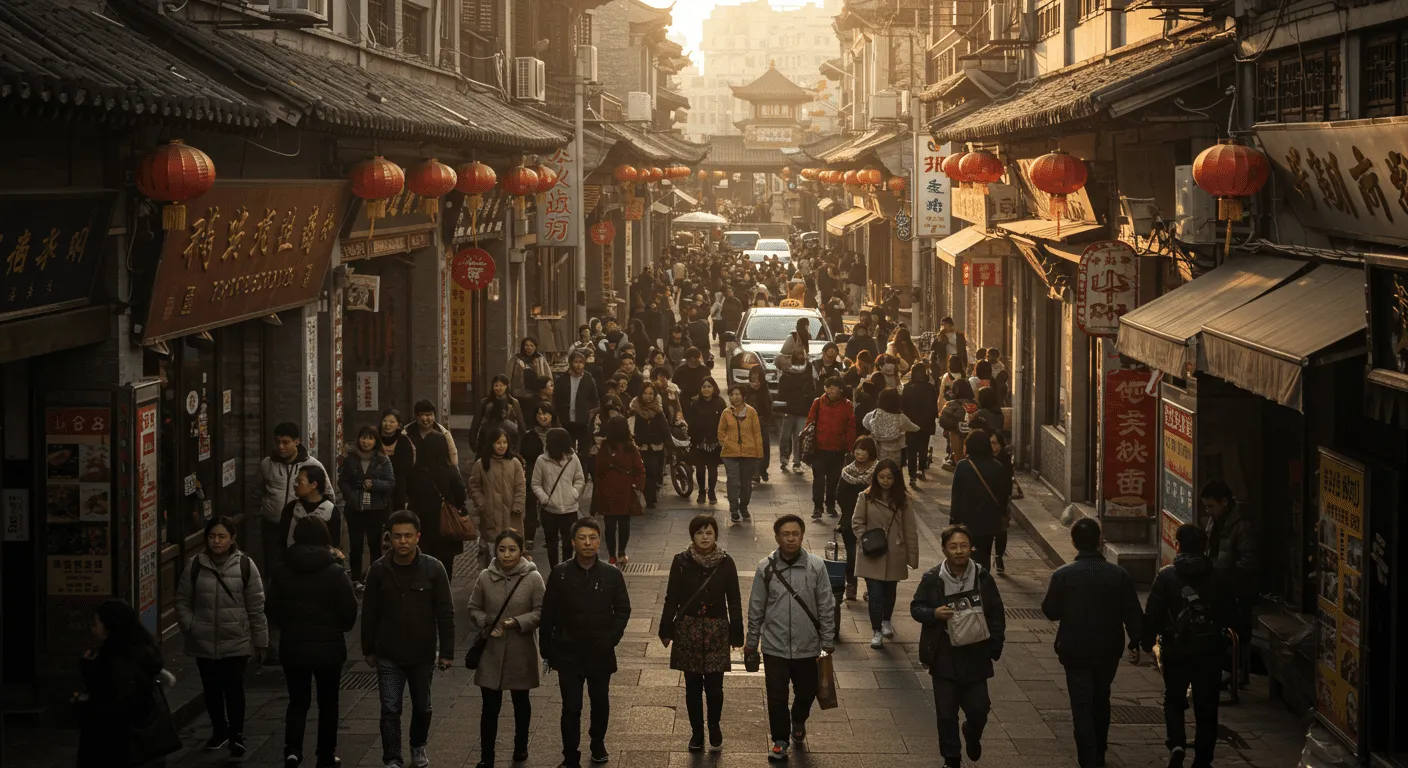
Known locally as Chūn Jié or sometimes called Beijing Festival in regional dialects, the Chinese New Year is the most important and widely celebrated holiday in China. Marking the beginning of the Lunar New Year, it symbolizes renewal, family unity, and prosperity.
Families gather for a reunion dinner, houses are decorated with red lanterns and couplets, and people participate in fireworks, dragon dances, and red envelope exchanges (hóngbāo) as signs of good fortune. The celebration can last up to two weeks and concludes with the Lantern Festival.
Lantern Festival (Yuánxiāo Jié)
Celebrated on the 15th day of the first lunar month, the Lantern Festival marks the official end of Chinese New Year festivities. Streets, parks, and temples are illuminated with beautifully crafted colorful lanterns, often bearing riddles.
People enjoy traditional rice dumplings (yuánxiāo or tāngyuán) symbolizing family reunion, and join in folk dances and performances. The festival is both visually spectacular and spiritually symbolic, representing light overcoming darkness and the continuation of harmony in the year ahead.
Dragon Boat Festival (Duānwǔ Jié)
Held on the fifth day of the fifth lunar month, the Dragon Boat Festival is a time-honored tradition commemorating the patriotic poet Qu Yuan.
Main activities include dragon boat races, which are vibrant displays of teamwork and community spirit, and eating zòngzi—glutinous rice wrapped in bamboo leaves. The festival also carries protective and cleansing rituals, such as wearing perfumed sachets and hanging mugwort leaves to ward off evil.
Traditional Wedding Ceremonies
Marriage in Chinese culture is more than a personal union—it is a merging of families and a culturally significant rite. While many urban weddings today adopt modern elements, traditional rituals remain popular, particularly in rural areas and among families valuing heritage.
A typical ceremony includes betrothal gifts, selecting an auspicious wedding date, the bride wearing red attire, tea ceremonies to honor elders, and festive banquets. These weddings showcase Chinese values of filial piety, family harmony, and symbolic blessings for the couple’s future.
Religious and Spiritual Ceremonies
China’s religious landscape includes Buddhism, Taoism, Confucianism, and elements of local folk beliefs. Each has its own set of festivals and observances throughout the year.
Buddhist temples host Vesak celebrations, Taoist festivals include Zhongyuan (Ghost Festival), and Confucian temples commemorate Confucius’ birthday with solemn rituals. These ceremonies involve prayers, meditation, incense offerings, and community gatherings, maintaining the spiritual heritage of Chinese society.
The Impact of Globalization on Festivals
With the spread of global culture and the rise of technology, traditional Chinese festivals are undergoing transformation. While core customs remain intact, elements such as Western-style parties, social media promotions, and commercialized events have become increasingly integrated.
Platforms like WeChat, Douyin (TikTok), and online marketplaces play a major role in organizing, sharing, and commercializing festivals, especially among younger generations. This hybridization has allowed festivals to remain relevant and accessible while still honoring their roots.
Social Significance of Celebrations
Beyond their cultural symbolism, festivals in China play a vital social role. They serve as moments for family reunions, community bonding, and cultural transmission.
Celebrations foster social cohesion, remind people of shared histories, and reinforce the collective identity of the Chinese nation. In an era of rapid social change, these events provide an anchor of continuity, helping people stay connected to their cultural heritage.
Conclusion
China’s festivals and traditional ceremonies are living expressions of its enduring civilization. From the grand spectacle of Chinese New Year to the spiritual depth of temple rituals, these celebrations are not only cherished traditions but also mirrors of modern Chinese society. They reveal how a nation rooted in history adapts and thrives in the face of modernity, carrying its culture forward with pride and purpose.