A Country That Dances with Every Beat of the Drum
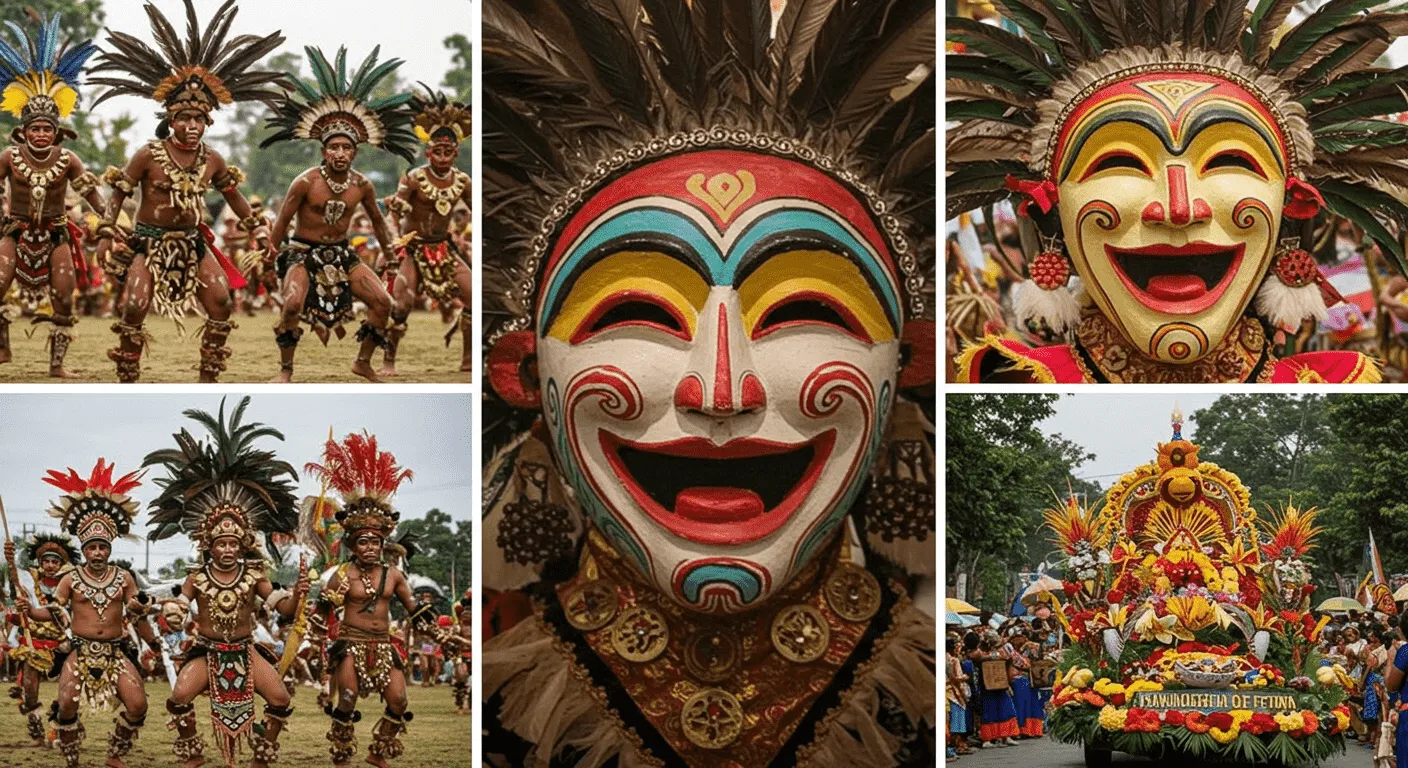
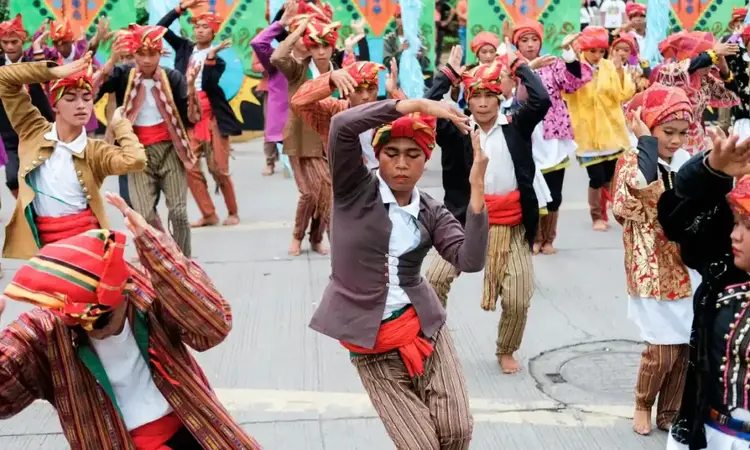
In the heart of an archipelago blessed with sun and sea, Filipinos have turned every season — and every story — into a reason to celebrate. Rooted in native rituals, Spanish Catholic traditions, and contemporary expressions, the country’s calendar is bursting with vibrant festivals that embody joy, resilience, and unity.
Sinulog Festival – Dance of Devotion
Held in Cebu every January, Sinulog honors the Santo Niño with a blend of rhythmic dances, street parades, and spiritual offerings. It reflects the deep fusion of faith and festivity that defines Filipino culture.
Panagbenga – The Blooming of Baguio
The “Flower Festival” in Baguio transforms the mountain city into a floral wonderland every February. It’s a tribute to nature, renewal, and cultural pride.
Ati-Atihan – Remembering the Ancestors
In Kalibo, participants paint their faces black and dance through the streets to honor the indigenous Aeta people. Drums echo as history meets celebration.
Moriones Festival – Faith Behind Masks
In Marinduque during Holy Week, locals wear Roman centurion masks and reenact biblical stories in public performances, mixing solemnity with art.
MassKara – The Smile of Bacolod
Born during an economic downturn in the 1980s, Bacolod’s MassKara Festival brings hopeful joy with colorful masks and shimmering costumes.
Kadayawan – Ancestral Abundance in Davao
This thanksgiving festival honors the indigenous tribes of Mindanao and the island’s natural bounty, showcasing tribal dances, music, and crafts.
Conclusion
Festivals in the Philippines are more than performances — they are affirmations of identity, memory, and communal spirit. In every dance and chant, the soul of a resilient and radiant people pulses through.