At the heart of global maritime traffic lies a small yet powerful island-state: Singapore. Despite its limited physical size, its location at the eastern end of the Strait of Malacca gives it immense influence over regional trade, diplomacy, and geopolitics.
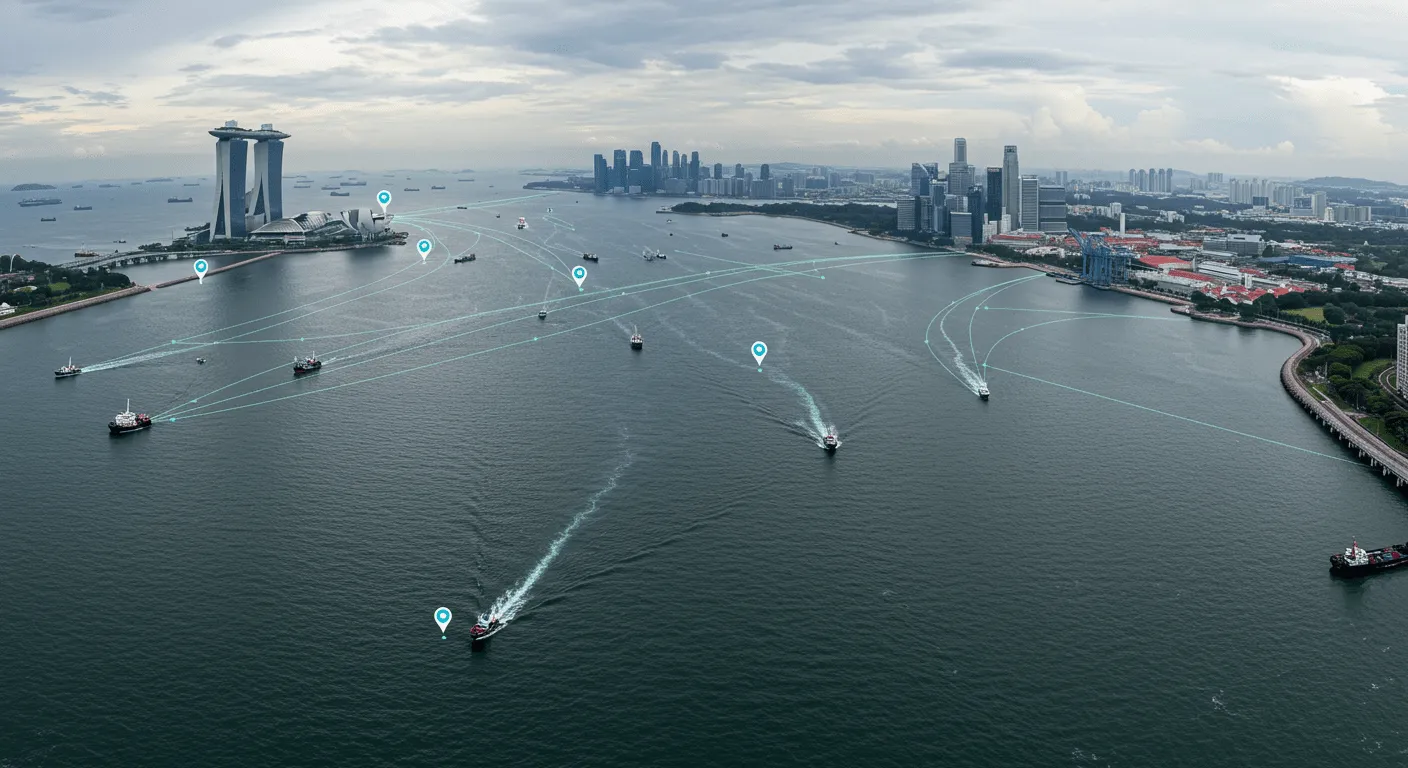
Compact Yet Strategic Geography
Singapore comprises one main island and over 60 smaller islets. Though spanning less than 730 km², the country has reclaimed land from the sea and turned every inch into high-efficiency infrastructure.
The Strait of Malacca: Artery of Global Trade
One of the busiest maritime chokepoints in the world, the Strait of Malacca is crucial to Singapore’s strategic importance. Around one-third of global oil and goods trade passes here.
A Central Node in ASEAN
Surrounded by Malaysia, Indonesia, and Thailand, Singapore acts as a bridge connecting different parts of Southeast Asia. Its geography places it at the heart of cross-cultural and economic networks.
Maritime Diplomacy and Port Power
Singapore’s ports are not only logistics hubs but also venues for international naval diplomacy and regional forums. It plays a key role in ASEAN maritime security dialogues.
Future-Forward Infrastructure Planning
Facing land scarcity, Singapore is investing in smart port systems, green logistics hubs, and land reclamation projects that secure its relevance for decades to come.
Security Relevance Beyond Size
Singapore maintains a capable navy, modern military bases, and robust regional defense cooperation, securing its waters and asserting itself as a reliable partner in Southeast Asia.
Conclusion
Singapore exemplifies how geography, when coupled with smart strategy, can turn a small island into a giant on the global stage. Its maritime focus and future-oriented planning continue to shape regional dynamics.