Iran, with its millennia-old history and diverse geography, stands as one of the most unique tourist destinations in Eurasia. Once a key hub on the Silk Road, Iran today serves as a bridge between culture, civilization, and nature, drawing the attention of travelers, researchers, and diplomats alike.
Historical and Cultural Attractions
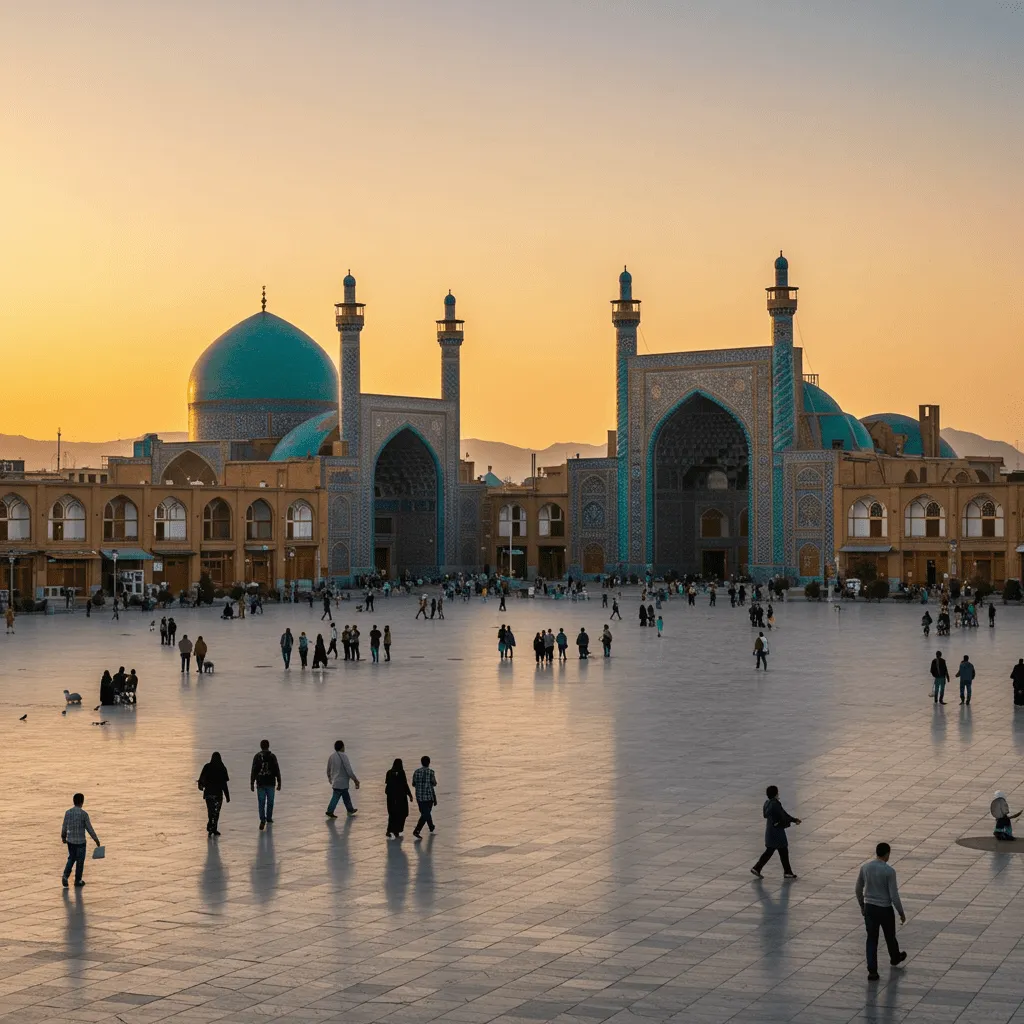
Cities such as Isfahan with Naqsh-e Jahan Square, Shiraz with Persepolis and the tomb of Hafez, and Yazd with its ancient windcatchers, showcase the magnificence of Persian architecture and civilization. Museums, mosques, and traditional bazaars open a window into Iran’s authentic art and heritage.
Nature and Ecotourism
From the Lut Desert and Dasht-e Kavir with starry skies, to the lush Hyrcanian forests in the north and the Alborz and Zagros mountains, Iran offers extraordinary natural diversity. The Persian Gulf islands like Kish and Qeshm, with their beaches and geoparks, are among the most popular eco-tourism destinations.
Spiritual and Religious Tourism
Iran is home to major religious sites such as the shrine of Imam Reza in Mashhad and the shrine of Hazrat Masoumeh in Qom. Religious tourism plays a vital role in shaping Iran’s cultural and spiritual identity.
Modern and Urban Tourism
Major cities like Tehran and Mashhad, with modern shopping centers, international hotels, and cultural events, attract both regional and international visitors. International exhibitions and art festivals make Iran a hub for cultural and economic exchange.
Challenges and Opportunities
While Iran’s tourism infrastructure has expanded in recent years, further investment and global promotion are required. Its strategic location at the crossroads of Eurasia provides vast opportunities for international tourism development.
Conclusion
Tourism in Iran connects history, culture, nature, and people. With its countless attractions, Iran has the potential to be not only a popular tourist destination but also a platform for dialogue among civilizations and global engagement.