Northern Pakistan: A Paradise for Trekkers
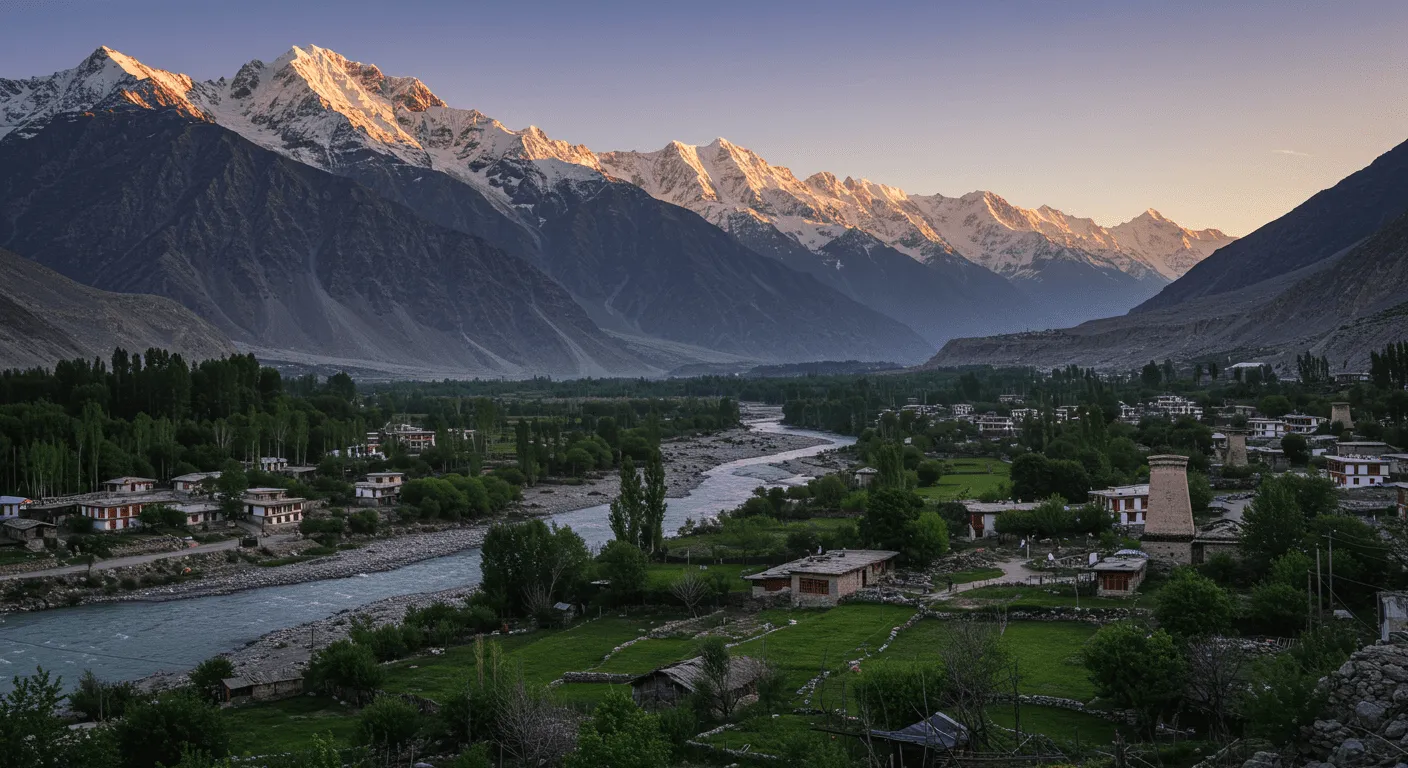
The northern regions of Pakistan—including Gilgit-Baltistan, Hazara, and Swat—are a haven for nature lovers and adventurers. Towering peaks such as Nanga Parbat and K2, lush green valleys, and glacial rivers make this area ideal for trekking, climbing, and eco-tourism. Picturesque destinations like Hunza and Fairy Meadows offer breathtaking landscapes and warm hospitality from the local communities.
Cultural and Archaeological Heritage
Pakistan is home to ancient civilizations such as the Indus Valley Civilization, with sites like Mohenjo-daro. Historic Buddhist centers such as Takht-i-Bahi and Taxila attract scholars and tourists alike. Moreover, the Islamic architecture of cities like Lahore and Multan, featuring intricately designed mosques and shrines, reflects centuries of spiritual and artistic heritage.
Historic and Modern Cities
Lahore, the cultural capital, is famous for the Lahore Fort, Badshahi Mosque, and Shalimar Gardens, representing the grandeur of the Mughal Empire. Islamabad, the capital city, stands out for its modern design, green hills, and iconic Faisal Mosque. Meanwhile, Karachi, the largest city, offers a dynamic blend of coastal views, colonial architecture, and an ever-vibrant urban life.
Deserts and Cultural Landscapes
The Cholistan and Thar Deserts are not only natural wonders but also cultural hotspots. They host traditional festivals, nomadic camps, and historic forts such as the Derawar Fort. Visitors can experience tribal customs, camel rides, and folk music under starlit skies in these vast and serene landscapes.
Religious and Pilgrimage Routes
Pakistan serves as a significant destination for religious tourism. The Data Darbar shrine in Lahore attracts thousands of Sufi devotees, while the Kartarpur Corridor has become a landmark for Sikh pilgrims worldwide. Sufi rituals at shrines, often accompanied by Qawwali music, create an intensely spiritual experience for visitors of all faiths.
Nature and Adventure Tourism
Adventure seekers will find no shortage of options in Pakistan:
- White-water rafting in the Swat River
- Jeep safaris in Khyber National Park
- Rock climbing in Baltistan
- Horseback riding in the Kaghan Valley
- Camping under pristine starry skies in remote valleys
The country’s diverse topography makes it one of the most versatile adventure destinations in Asia.
Local Cuisine and Traditional Markets
Traditional bazaars in cities like Lahore and Peshawar are themselves cultural experiences. Here, tourists can shop for spices, handwoven carpets, embroidered textiles, and folk handicrafts. The street food scene offers unforgettable flavors—chapli kebab, biryani, samosas, and more. Local markets also serve as a window into the everyday life and hospitality of the Pakistani people.
Conclusion
With its stunning natural landscapes, rich history, and vibrant cultural tapestry, Pakistan is a country waiting to be discovered. While many of its attractions remain underexplored, the potential for sustainable and cultural tourism is immense. As infrastructure and awareness grow, Pakistan stands poised to emerge as one of Asia’s most intriguing travel destinations.