
Pakistan, a country with a rich history and vibrant culture, celebrates several national festivals that represent national pride, unity, and the spirit of its people. These festivals not only honor the country’s history and traditions but also offer an opportunity to reflect on its national identity and collective efforts toward progress. In this article, we will explore the most significant national festivals of Pakistan, each of which highlights the country’s heritage and the perseverance of its people.
Independence Day – 14th August
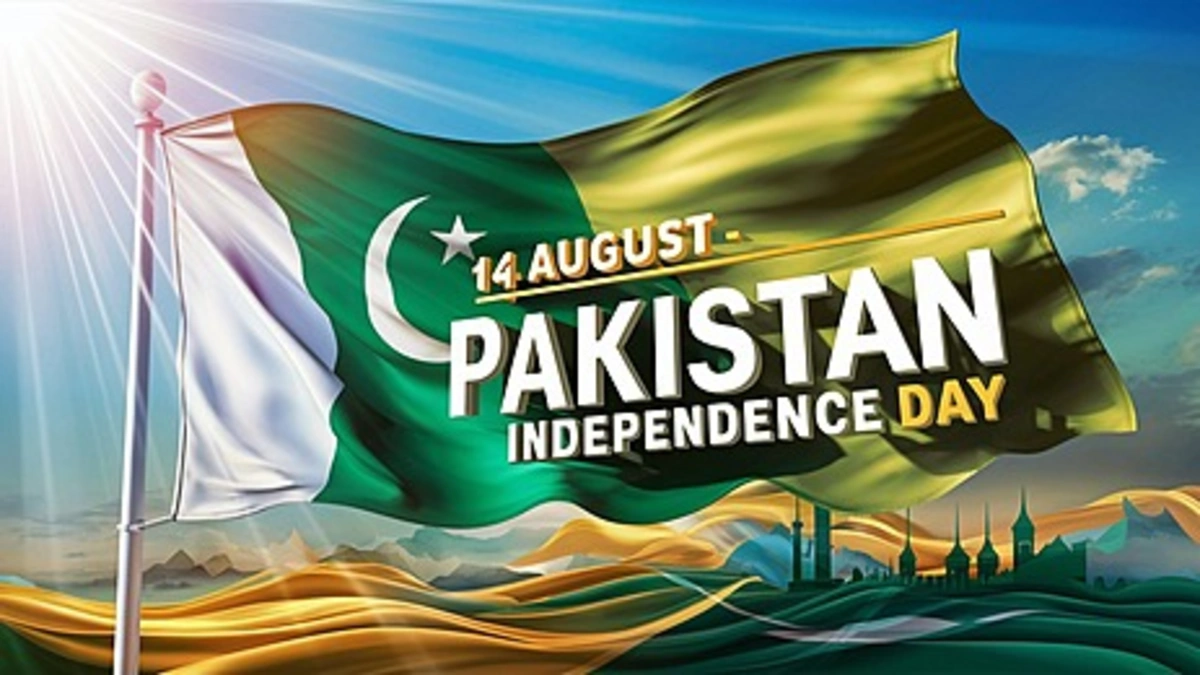
Independence Day is celebrated on 14th August every year in Pakistan. This day marks Pakistan’s independence from British colonial rule in 1947. The day is observed with flag-hoisting ceremonies, patriotic speeches, and cultural displays across the country. The entire nation comes together to honor the sacrifices made for freedom and to celebrate the sovereignty of the nation.
Republic Day – 23rd March
Republic Day is celebrated on 23rd March each year and commemorates the Lahore Resolution of 1940, which laid the foundation for the creation of Pakistan. This day is marked by formal ceremonies in the parliament and other government institutions, with the military holding a grand parade in the capital, Islamabad. The day is a reminder of Pakistan’s journey toward becoming a republic.
Youm-e-Takbir – 28th May
Youm-e-Takbir (Day of Greatness) is celebrated on 28th May in remembrance of Pakistan’s successful nuclear tests in 1998, making it the seventh nuclear power in the world. On this day, Pakistan honors its achievements in nuclear technology, and the occasion is marked by flag-hoisting and various cultural and military events across the country.
Youm-e-Tashakur – 16th May
Youm-e-Tashakur (Thanksgiving Day) is observed on 16th May to appreciate the efforts of the Pakistan Armed Forces and to mark the end of the conflicts between India and Pakistan in 2005. The day is dedicated to expressing gratitude for the sacrifices made by the military and other institutions that helped ensure the nation’s security.
Gilgit-Baltistan Independence Day – 1st November
The Gilgit-Baltistan Independence Day is celebrated on 1st November each year, marking the region’s independence from the Dogra rule in 1947. The people of Gilgit-Baltistan celebrate this day with flag-hoisting ceremonies and cultural events to honor the region’s struggle for freedom and its journey toward progress.
Shaheed Day – 4th February
Shaheed Day (Martyrs’ Day) is observed on 4th February to remember the innocent lives lost during the Shahdara massacre in 1944. This day is marked by official ceremonies and prayers for the martyrs. It is a solemn reminder of the sacrifices made by the people of Pakistan in their fight for freedom.
Nowruz Festival – 20th March
The Nowruz Festival, which marks the Persian New Year, is celebrated in northern regions of Pakistan like Gilgit-Baltistan and Chitral. The celebration includes traditional music, dances, and the wearing of colorful clothes. The festival welcomes the arrival of spring and is a symbol of cultural diversity within Pakistan.
Sindhi Cultural Day – First Sunday of December
Sindhi Cultural Day is celebrated on the first Sunday of December to honor the culture and heritage of the Sindh province. On this day, people wear traditional Sindhi attire, perform folk dances, and participate in various cultural programs. The celebration highlights the significance of Sindhi culture in the broader context of Pakistan’s national identity.
Punjab Youth Festival
The Punjab Youth Festival is one of the largest cultural and sports festivals in Pakistan, held annually in the Punjab province. The festival features a wide range of events, including sporting competitions, singing contests, and artistic performances. It serves as a platform to promote the spirit of healthy competition and national unity among Pakistan’s youth.
Conclusion
Pakistan’s national festivals are not just a reflection of the country’s rich cultural and historical heritage but also a testament to the unity and strength of its people. These festivals offer a unique opportunity to celebrate the nation’s milestones, its struggles for freedom, and its ongoing journey toward prosperity. Participating in these celebrations is an opportunity to connect with Pakistan’s vibrant national identity and appreciate the collective efforts that have shaped the country.


No comment