

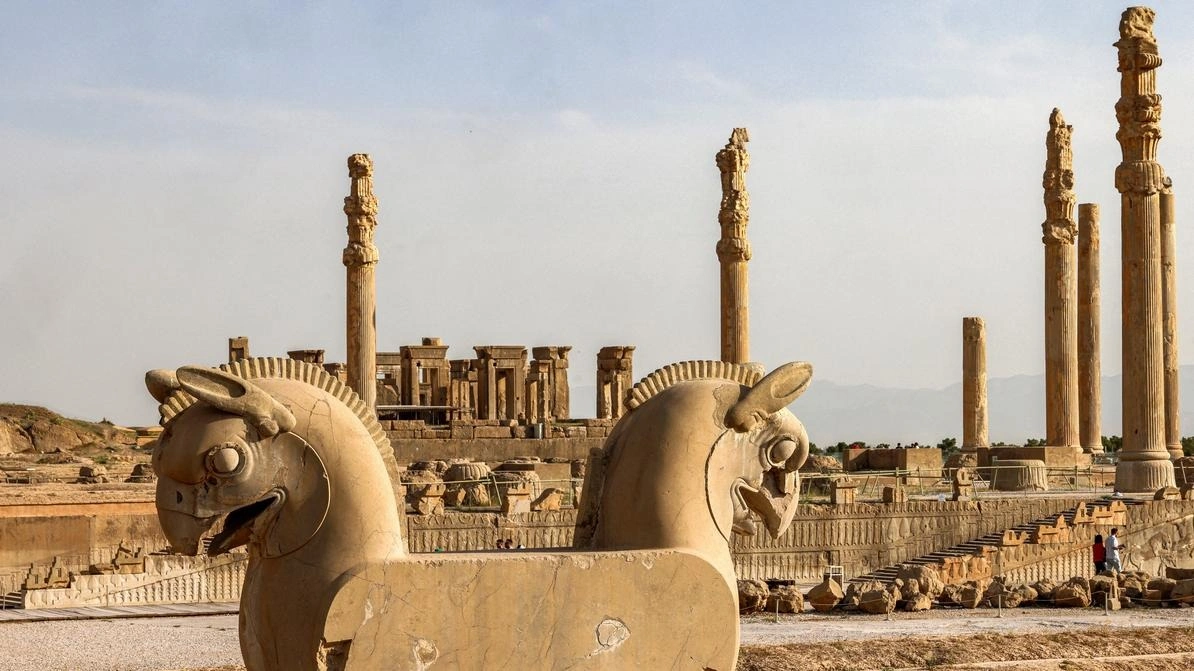
Persepolis, also known as Takht-e Jamshid, is an ancient city and one of Iran’s most iconic archaeological sites. Located in the Fars Province, near Shiraz, Persepolis was the ceremonial capital of the Achaemenid Empire. Founded by King Darius I in 518 BCE, the site reflects the wealth, power, and artistry of the ancient Persian Empire. Its majestic ruins, including grand palaces, gates, and intricate carvings, offer a unique insight into Persian civilization.
The Historical Significance of Persepolis
Persepolis holds immense historical importance as the capital of one of the most influential empires in ancient history. It was here that the Persian kings held grand ceremonies, such as the Nowruz (Persian New Year) celebrations, showcasing the empire’s cultural richness. The architectural magnificence of Persepolis, with its colossal stone columns and detailed reliefs, exemplifies the power and cultural sophistication of the Achaemenid rulers.
Persepolis as a UNESCO World Heritage Site
Today, Persepolis is recognized as a UNESCO World Heritage Site, attracting millions of tourists and history enthusiasts every year. The site offers a profound experience for those interested in exploring the history and heritage of ancient Persia. It remains a symbol of Iran’s ancient grandeur and a reminder of the powerful legacy left by the Achaemenid dynasty.


No comment