
China, with its rich history and cultural diversity, is home to some of the most vibrant and unique traditional festivals in the world. These festivals not only celebrate the country’s cultural heritage but also offer a glimpse into the customs, beliefs, and traditions that have shaped China for centuries. From grand celebrations of the lunar new year to ancient rituals honoring the harvest, here’s a closer look at China’s top traditional festivals.
1. Chinese New Year (Spring Festival)
Chinese New Year, also known as the Spring Festival, is the most important and widely celebrated festival in China. Taking place annually in January or February, this festival marks the beginning of the lunar new year. People clean their homes to sweep away bad luck, wear new clothes for good fortune, and reunite with family members to share a festive meal. Traditional foods like dumplings and rice cakes are prepared, and grand fireworks displays and dragon and lion dances are held to welcome the new year with joy and prosperity.
2. Lantern Festival (Yuan Xiao Festival)
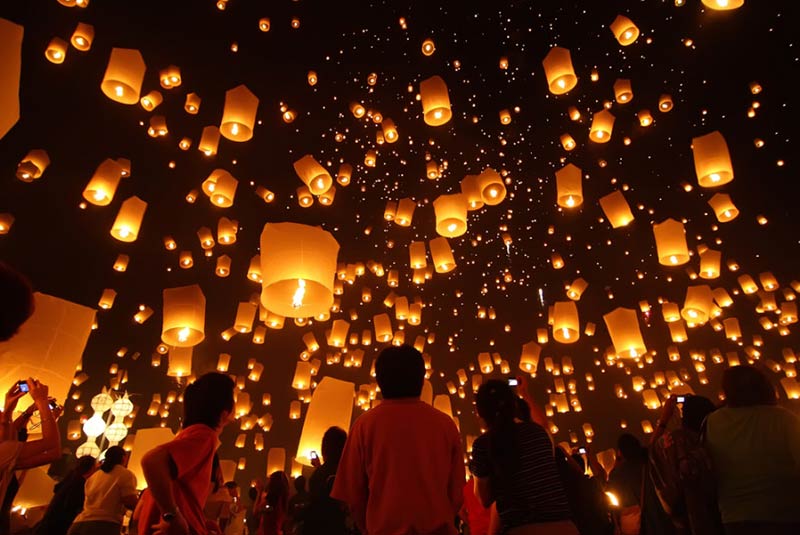
Celebrated on the 15th day of the Chinese New Year, the Lantern Festival marks the end of the New Year celebrations and the arrival of spring. On this night, people light and display colorful lanterns across the country, creating stunning displays of light. Many regions also host lantern-making competitions, dragon dances, and firework shows. The Lantern Festival symbolizes brightness, hope, and renewal, making it one of the most beautiful and significant celebrations in China.
3. Dragon Boat Festival (Duan Wu Festival)
The Dragon Boat Festival, usually held in June, commemorates the life and death of the famous poet Qu Yuan. The festival is best known for its exciting dragon boat races, where teams paddle in long boats shaped like dragons. The event is often accompanied by the consumption of zongzi—sticky rice wrapped in bamboo leaves. The Dragon Boat Festival is a celebration of patriotism, good health, and the spirit of teamwork.
4. Mid-Autumn Festival (Moon Festival)
Held on the 15th day of the 8th lunar month, the Mid-Autumn Festival is a time to celebrate the harvest and admire the full moon. It’s a festival that emphasizes family unity and the appreciation of nature. People gather with their loved ones, share mooncakes—a traditional pastry filled with various fillings—and enjoy the beauty of the full moon. The festival symbolizes peace, prosperity, and the bond between family members, making it a deeply sentimental and widely cherished event.
5. Chongyang Festival (Double Ninth Festival)
The Chongyang Festival, also known as the Double Ninth Festival, is celebrated on the 9th day of the 9th lunar month. It’s a day dedicated to honoring the elderly and promoting their health and well-being. Traditionally, families pay tribute to their ancestors and climb mountains, as it’s believed that climbing helps improve health and longevity. It’s a meaningful occasion for strengthening familial bonds and recognizing the wisdom of older generations.
6. Dragon and Lion Dance Festival
The Dragon and Lion Dance Festival is one of the most exciting and colorful celebrations in China, often held during the Chinese New Year and other festive occasions. Dragon and lion dances are performed to drive away evil spirits and bring good luck and fortune. The dancers, dressed in vibrant dragon and lion costumes, perform intricate and energetic routines, symbolizing power, courage, and happiness.
7. Fireworks Festival
In China, fireworks are an integral part of celebrations, especially during the Chinese New Year. Fireworks Festivals are held in various regions, showcasing grand pyrotechnic displays that light up the night sky. The dazzling fireworks symbolize the driving away of evil spirits and the welcoming of a prosperous and joyful new year. These festivals are often accompanied by music, parades, and other cultural performances, creating an unforgettable experience for visitors and locals alike.


بدون دیدگاه