
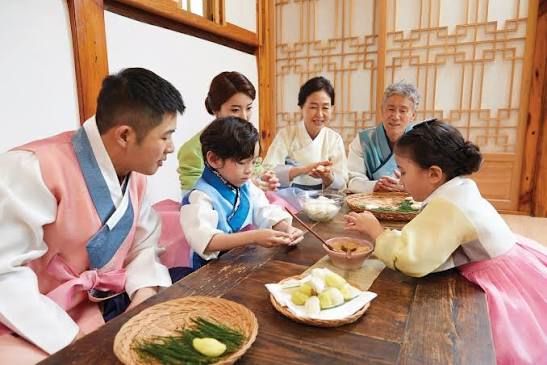
South Korea’s fashion scene offers a beautiful blend of traditional and modern styles, with Hanbok taking center stage during Hanbok Day celebrations. The Hanbok Fashion Show, held annually, showcases a rich and diverse collection of this iconic garment, highlighting its evolution and enduring beauty.
The Traditional Elegance of Hanbok
The origins of Hanbok date back over 5,000 years, shaped by the practical needs of enduring Korea’s harsh winters and hot summers. To accommodate this, Koreans developed various clothing materials, including hemp, ramie, cotton, and silk. These materials were used to create garments suited for different seasons: warm winter hanbok made with cotton and silk, and lighter summer versions made from hemp and ramie. The design of Hanbok, with its elegant lines and relaxing atmosphere, has remained a cornerstone of Korean culture.
Despite its long history, Hanbok’s shape and structure have evolved to meet the needs of contemporary life, social situations, and aesthetics. While white has traditionally been preferred for its simplicity and cultural significance, vibrant colors and intricate patterns became popular during different eras, especially for those of higher social status.
The Global Appeal of Modern Hanbok
Recently, modern Hanbok designs that combine traditional patterns with a contemporary sensibility have gained global attention. Popular music videos from K-pop artists like BTS and Blackpink have showcased Hanbok’s unique style, cementing its place on the global stage. The hanbok has become synonymous with elegance and sophistication, attracting international recognition.
Hanbok accessories, such as the gat (traditional Korean hat), featured in the popular Netflix series “Kingdom,” have also gained significant attention worldwide. This resurgence in interest further cements Hanbok’s status as a glamorous and globally recognized garment.
Hanbok in Contemporary Korea
In modern-day Korea, Hanbok is typically worn on special occasions like holidays and celebrations. While some Koreans wear modified versions of Hanbok daily, many embrace Western-style clothing for everyday wear. This shift reflects Korea’s adaptable fashion culture—a culture driven by creativity and a keen sense of style, always evolving to meet the needs of the time.
Fashion Hotspots in Seoul: Gangnam and Dongdaemun
Gangnam, made famous by Psy’s “Gangnam Style,” is home to affluent residents and serves as the hub for Korea’s high-end fashion, art, and culture. Known as a special fashion district, Gangnam hosts major annual fashion events, including designer competitions and shows featuring both local and international designers.
On the other hand, Dongdaemun is the epicenter of young, popular contemporary fashion in Seoul. Known for its production, distribution, and retail spaces dedicated to emerging young designers, Dongdaemun has become a modern fashion hub. It’s now a must-visit destination for fashion-forward tourists and foreign visitors looking to shop for the latest trends.



بدون دیدگاه